
Lesson #1: You Don’t Have a People Problem—You Have a Systems Problem
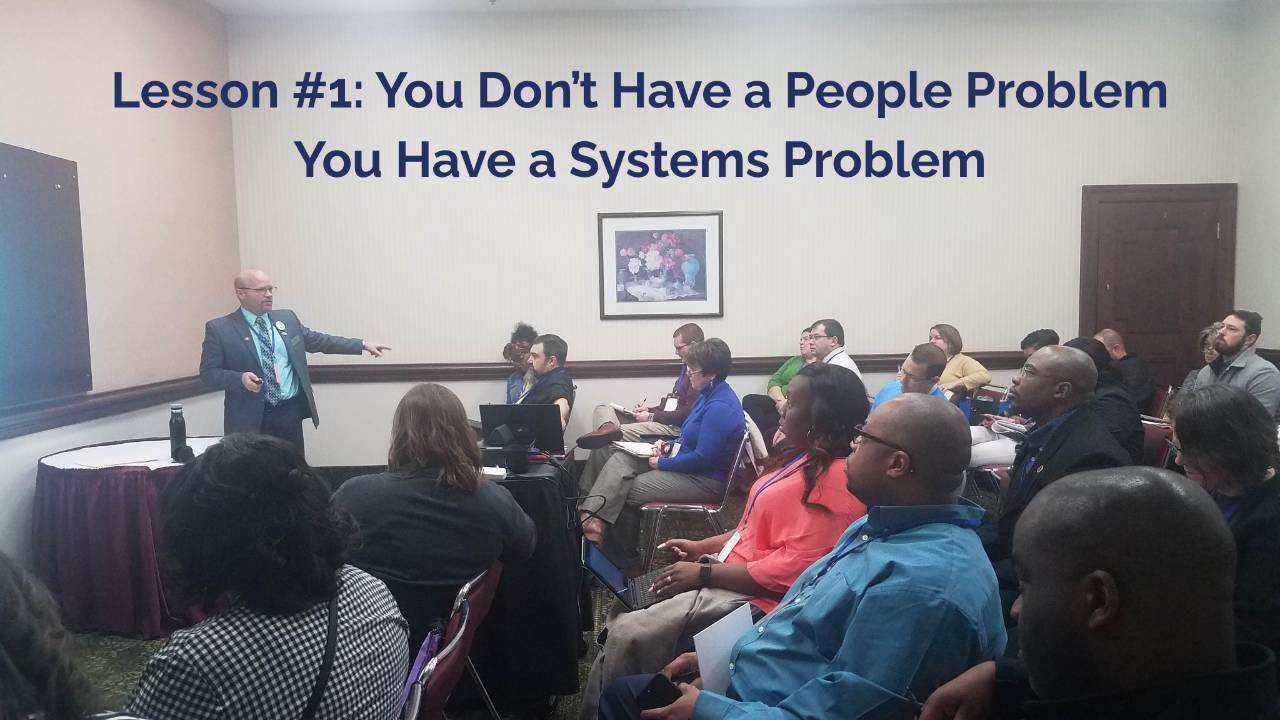
For 12 years, I’ve worked with school leaders in every situation you can imagine—new schools, schools in transition, and schools on the brink of failure.
And there’s one pattern I see over and over again:
Leaders think they have a people problem.
They say:
- “My team isn’t strong enough.”
- “This person isn’t the right fit.”
- “I need better people.”
But in most cases…
That’s not the real issue.
The Real Problem
Most leadership challenges are not people problems.
They are systems problems.
I’ve seen this in my own leadership.
There was a time when I had individuals in key roles that I didn’t believe were equipped for the job.
I questioned whether they were the right people.
But when I stepped back, I realized something:
They weren’t failing because of capability.
They were struggling because we didn’t have the right systems in place.
There were no clear systems for:
- Purchasing
- Student meetings
- Parent communication
- Daily priorities
- Provide feedback (to students or ...
How to Keep Your Best People: Two Critical Interview Strategies Every School Leader Should Use

By Dr. Tom Miller | Leaders Building Leaders
From 2020 to 2023, schools around the world were hit hard by what became known as The Great Resignation. Talented educators and staff left the profession in droves, and principals everywhere were left scrambling to fill the gaps—not just in staff, but in morale, trust, and momentum.
While some turnover is inevitable, what’s avoidable is being the cause of it.
As a school leader, I’ve been fortunate to lead teams where staff retention hasn’t been a major issue. But I also know that avoiding retention problems isn’t about luck—it’s about intentional leadership.
If you want to keep your best people and build a culture that attracts high performers, here are two strategies I use regularly—and recommend to every school and organizational leader I coach.
✅ Strategy #1: Stay Interviews
"If you don't prepare on the front end, you’ll spend even more time repairing on the back end."
A stay interview is a proactive, one-on-one conversation w...
Assumptive Leadership: The Silent Killer of School Culture
By Dr. Tom Miller
When school leaders come to me feeling stuck—burned out, frustrated, or unsure why their team isn’t delivering—I often ask one question:
“Where might you be leading from assumption instead of intention?”
It’s a game-changer.
Because here’s the truth: assumptive leadership is everywhere, and it’s silently destroying school culture, team morale, and leadership effectiveness.
What is Assumptive Leadership?
It’s when we assume our staff knows what to do—because they were hired, because they have experience, or because we told them once.
We assume:
-
They’re good at what we’re good at.
-
They’re motivated by what motivates us.
-
They see the school the way we see it.
But they don’t.
And when we lead from assumption, the fallout is real: misalignment, miscommunication, unmet expectations, and a culture of frustration.
I’ve Been There
When I was a principal, I’d spend hours reading articles and curating resources on school leadership and improvemen...
