
Are You Solving Problems or Building Problem-Solvers?
Someone walks into your office with a problem.
You know the answer.
Giving it takes 30 seconds.
Coaching them might take five minutes.
What do most of us do?
We answer.
And then wonder why they return with the next problem.
Don’t just solve the problem. Develop the person solving it.
Try this instead:
“What have you considered so far?”
Then listen.
You may spend five minutes today.
But you’re building someone who needs fewer answers from you tomorrow.
Coach one problem instead of solving it today.
The Hidden Cost of Organizational Ambiguity
Many organizational problems aren’t caused by bad people.
They’re caused by ambiguity.
Who owns this?
What happens next?
Who makes the decision?
That ambiguity creates delay, duplication, frustration—and eventually everything gets escalated.
Strong systems create clarity:
Know what to do. Know who owns it. Know what happens next.
Pick one recurring process today and ask your team those three questions.
If the answers differ, you’ve found a Strategic Gap.
Clarity creates confidence. Confidence creates action.
Use the HPS Library to find the framework behind the process you need to strengthen.
Don’t Let Experience Become an Assumption
Experience is one of leadership’s greatest assets.
But there’s a trap.
We can start believing:
“I’ve seen this before.”
Maybe.
But your people changed.
The environment changed.
The problem changed.
Relying only on your experience is trying to do today’s job with yesterday’s tools.
Experience should inform your thinking—not end it.
Today ask:
What am I assuming I already know?
Then get curious again.
The strongest leaders I know remain students long after they become experts.
Challenge one assumption today.
Is Your Team Working Harder Than Your System?
I love hardworking people.
Schools are filled with them.
But sometimes hard work masks weak systems.
Someone stays late.
Someone remembers what everyone else forgets.
Someone catches the mistake.
Someone saves the day.
Again.
Hard work isn’t a system. Heroic effort isn’t a strategy.
Ask yourself:
Where are we depending on extraordinary effort to produce an ordinary expectation?
Don’t celebrate the hero so quickly that you miss the broken system requiring heroics.
Find one place where heroic effort is compensating for a weak process.
Stop Being The Soloist
Some leaders become indispensable because they’re incredibly talented.
They can make the decision.
Solve the problem.
Lead the meeting.
Save the day.
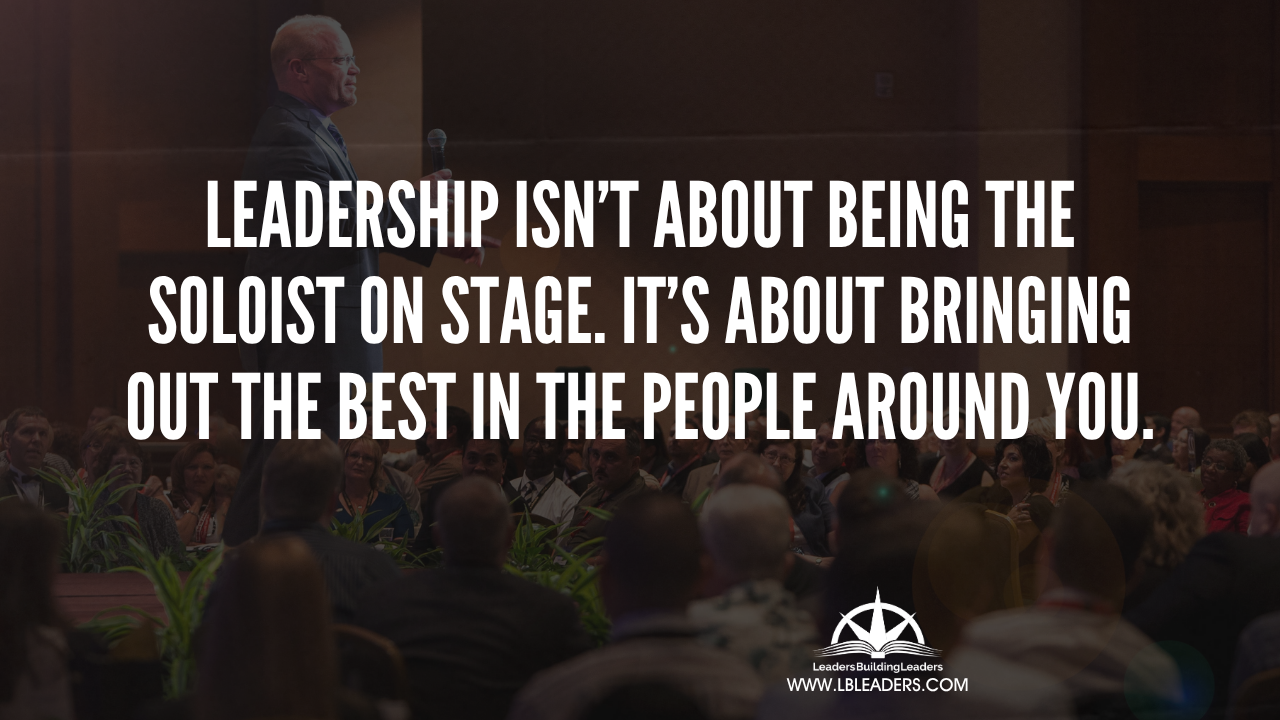
But leadership isn’t about being the best performer on stage.
It’s about bringing out the best in the people around you.
Here’s today’s challenge:
In your next meeting, resist the urge to have the best answer.
Ask the best question instead.
Great leadership isn’t demonstrated by how brightly you shine.
It’s demonstrated by how many other people begin to shine around you.
Ask one more question before offering your answer today.
What Did You Want to Happen?

When leaders bring me a problem, one of my favorite questions is:
“What did you want to happen?”
It sounds simple.
But we often jump to solutions before clearly defining the desired outcome.
Start there.
What did we want parents to experience?
What did we want teachers to do?
What should happen when this situation occurs?
Once the outcome is clear, work backward.
Outcome → behaviors → process → system.
Before fixing your next problem, ask:
What did I actually want to happen?
Then build the system that makes that outcome more likely.
Download the High-Performing School Blueprint to begin examining the systems underneath your results.
What If Your Strengths Are Keeping You Comfortable?
After all these years studying leadership, I’ve become convinced of something:
There’s always another level.
Another way to think.
Another skill to develop.
Another assumption to challenge.
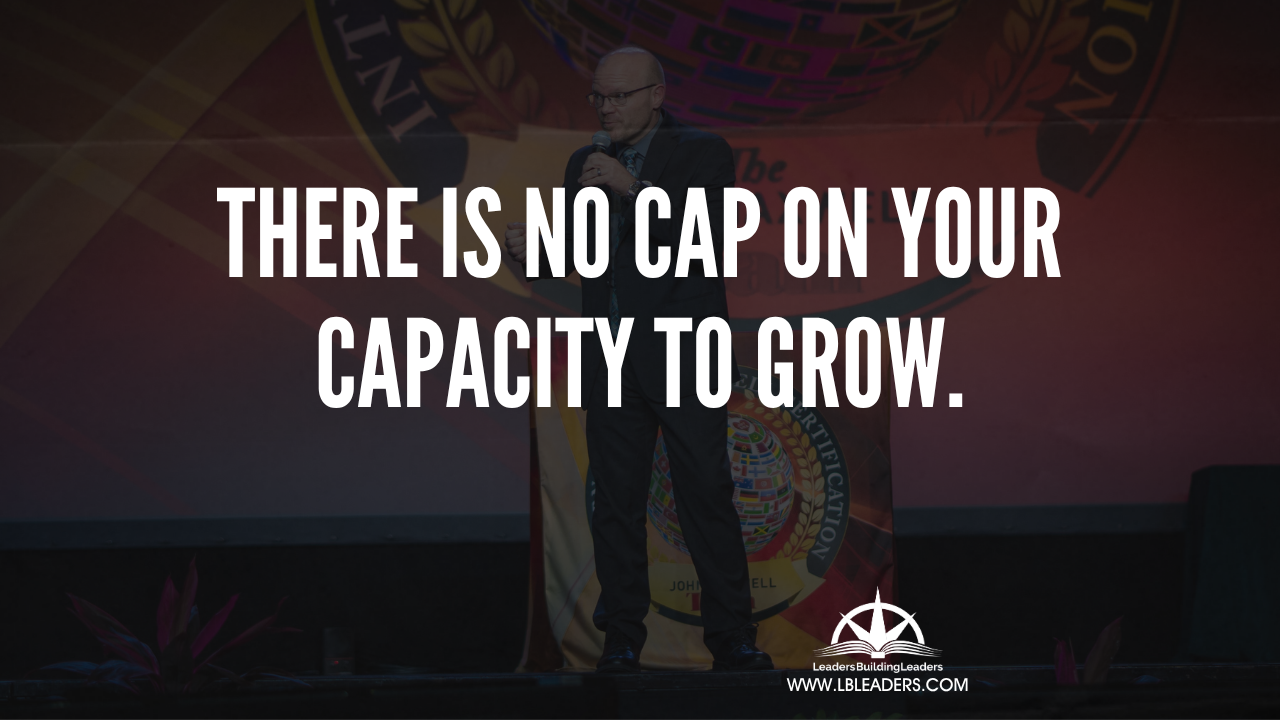
There is no cap on your capacity to grow.
Experience doesn’t exempt us from growth.
It should make us hungrier for it.
So today ask:
Where have I gotten comfortable because I’m already good?
Your greatest growth opportunity may not be fixing a weakness.
It may be refusing to settle for your current strength.
Choose one area where “good” is no longer good enough.
How Many Decisions Still Depend on You?
Here’s a leadership test:
How far into your organization can someone make a good decision without asking you first?
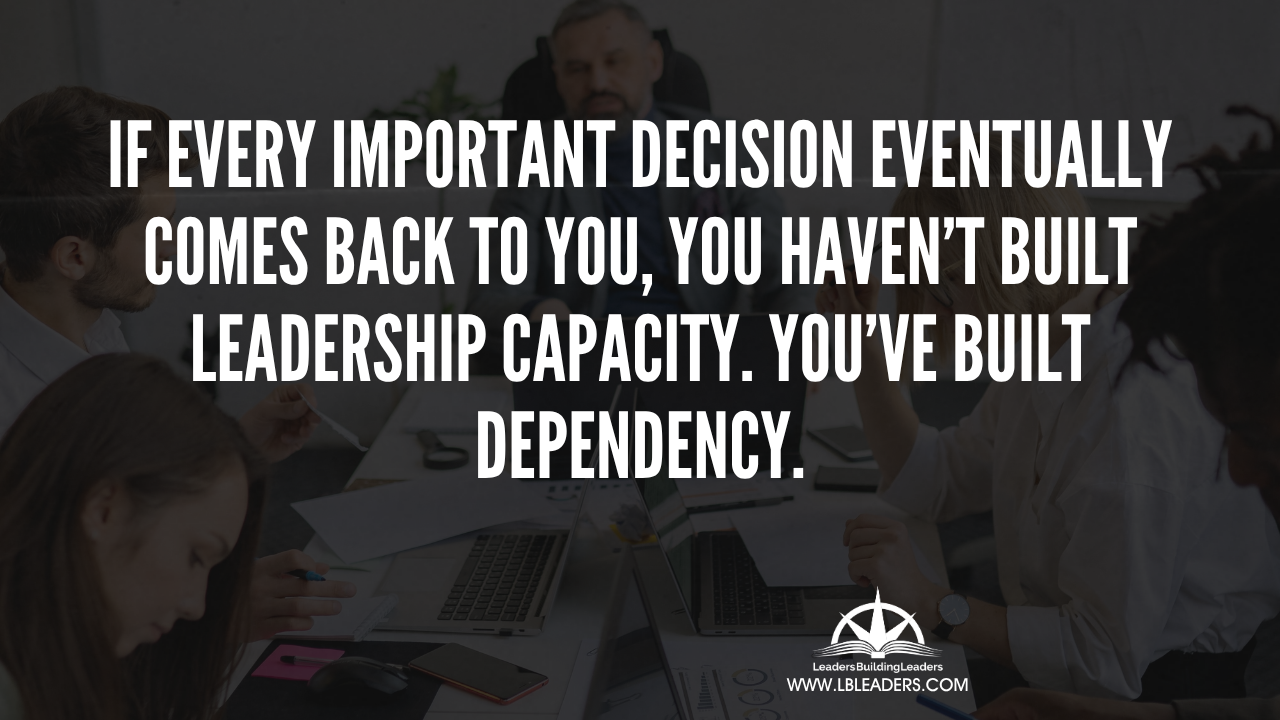
If every important decision eventually comes back to you, you haven’t built leadership capacity.
You’ve built dependency.
Today, listen for:
“Can I…?”
“Should we…?”
“What do you want me to do?”
Before answering, ask:
“What do you think we should do?”
Sometimes the fastest way to develop another leader is to stop being so quick to lead for them.
Give one decision back today.
What Got You Here May Not Get You There

Experience is valuable.
So are the habits, decisions, and strategies that helped you get where you are.
Until they become the reason you stop growing.
What got you here may not get you there.
The next level of leadership may require you to stop doing something that once made you successful.
So ask yourself:
What am I still doing because it worked before—not because it’s what leadership requires now?
Growth often requires addition.
Sometimes it requires subtraction.
Identify one old habit your next level may require you to release.
Are You Solving the Problem or Just the Symptom?
A parent complains. You handle it.
A process breaks. You fix it.
A team member misses something. You step in.
Problem solved?
Maybe not.
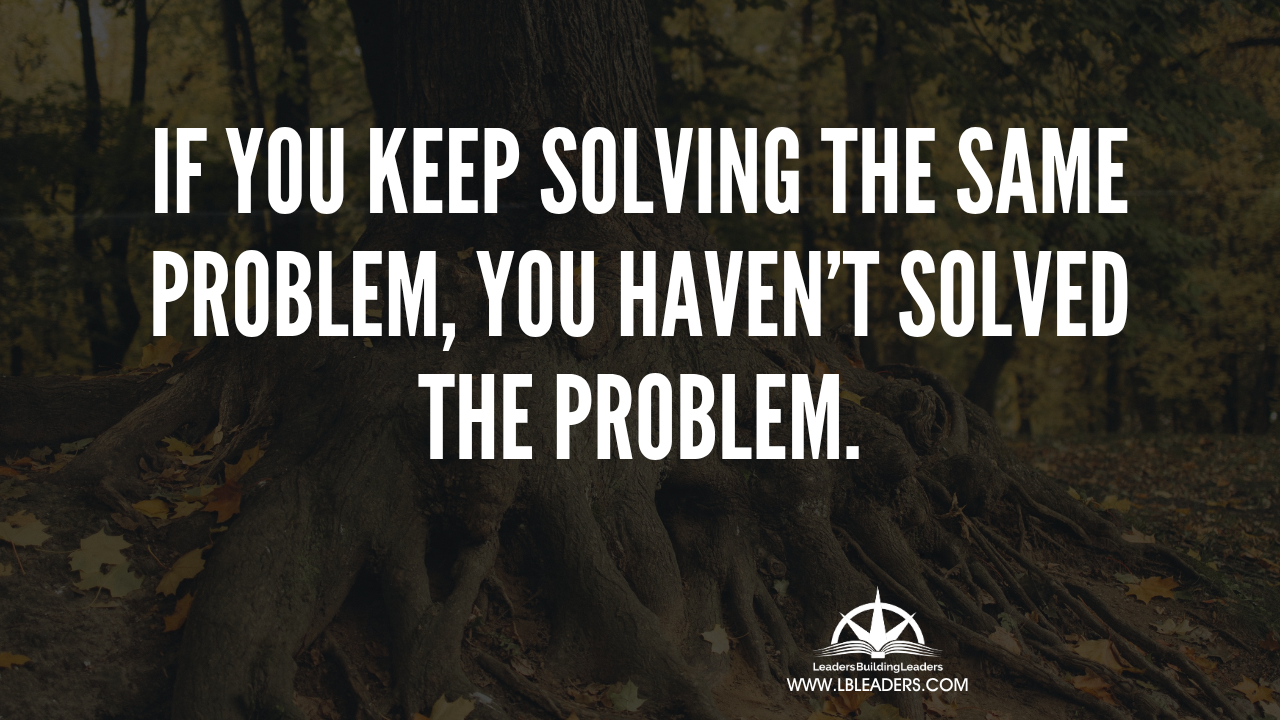
If you keep solving the same problem, you haven’t solved the problem.
You’ve probably solved a symptom.
Today, take one recurring frustration and ask:
“What system underneath this problem is allowing it to keep happening?”
That question changes everything.
Our High-Performing School Systems Library™ was built for exactly this kind of work.
Bring the problem. Find the system. Know what to do next.
Explore the HPS Library.
